
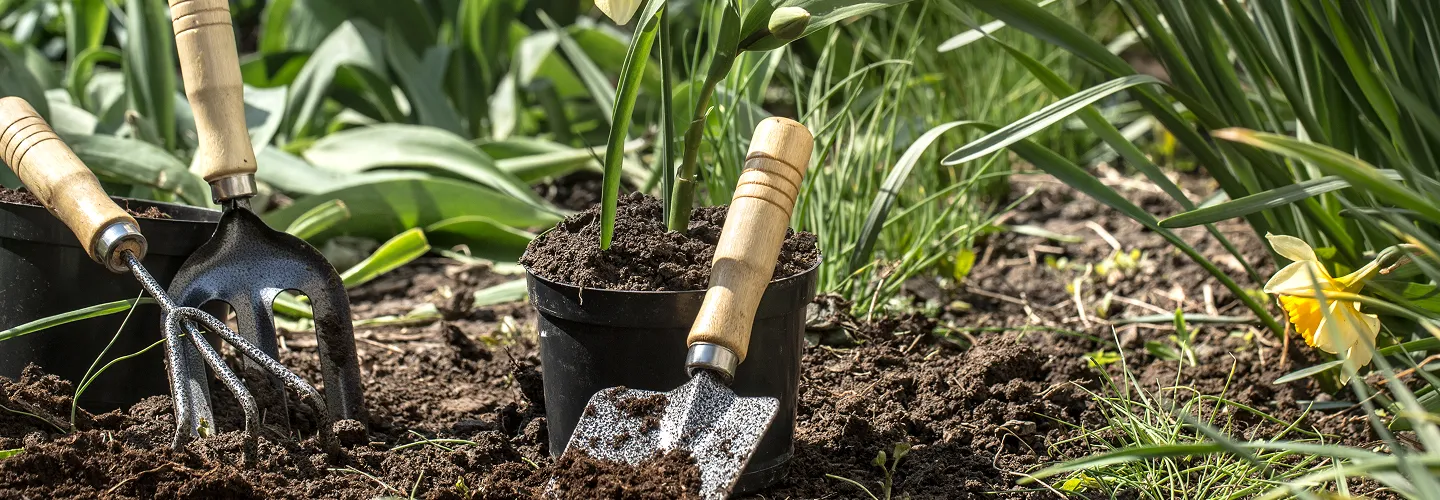
Columbus Weeding Services
Choose our professional weeding services for a healthier, more beautiful landscape—our experienced team removes unwanted growth efficiently, ensuring your plants thrive and your yard stays immaculate all season long.
Get a Free QuoteOur Columbus Landscaping & Yard Care Services
When to Schedule Weeding in Columbus, Georgia – Seasonal Guide
In Columbus, Georgia, the best times to schedule weeding are closely tied to our region’s unique climate and landscape. With mild winters and hot, humid summers, weed growth can be persistent nearly year-round, but the most effective periods for weeding are early spring and late fall. These seasons align with the city’s average last frost in early March and first frost in late November, allowing for optimal weed removal before seeds can germinate or after summer growth has slowed. Neighborhoods like Green Island Hills and Midtown, with their mix of shaded lots and open lawns, often see different weed pressures depending on tree coverage and soil moisture. Areas near the Chattahoochee River or Flat Rock Park may experience higher humidity and richer soils, which can accelerate weed growth and require more frequent attention.
Local environmental factors such as drought risk during late summer, heavy rainfall in spring, and varying soil types—from sandy loam in North Columbus to clay-heavy soils in East Columbus—also play a significant role in determining the best weeding schedule. Homeowners should also be aware of municipal guidelines and seasonal restrictions, which can be found on the city’s official website, to ensure compliance with local landscaping ordinances.
Local Factors to Consider for Weeding in Columbus
- Tree density and shade coverage (e.g., Lakebottom Park area vs. open subdivisions)
- Soil type and drainage (sandy vs. clay-heavy soils)
- Seasonal precipitation patterns and drought risk
- Proximity to water sources like the Chattahoochee River
- Municipal restrictions or neighborhood association guidelines
- Terrain and slope, which affect water runoff and weed spread
Benefits of Weeding in Columbus
Enhanced Curb Appeal
Healthier Plant Growth
Reduced Pest Infestation
Improved Soil Quality
Increased Property Value
Professional and Reliable Service
Columbus Weeding Types

Hand Weeding
-
Mechanical Weeding
-
Mulching for Weed Control
-
Pre-Emergent Herbicide Application
-
Post-Emergent Herbicide Application
-
Flame Weeding
-
Landscape Fabric Installation
Our Weeding Process
Site Evaluation
Weed Identification
Targeted Removal
Soil Treatment
Final Inspection
Why Choose Columbus Landscape Services
-
Columbus Homeowners Trust Us
-
Expert Lawn Maintenance
-
Reliable Scheduling
-
Competitive Pricing
-
Professional Team
-
Satisfaction Guarantee
-
Personalized Service
How Columbus's Fall Line Soils Influence Weed Pressure and Removal Methods
Columbus sits directly on Georgia's Fall Line, where the Piedmont red clay transitions into the Coastal Plain's sandy loams. This unique geological position produces soil series such as Toccoa, Wickham, and Cahaba, which vary significantly in drainage, pH, and organic content across relatively short distances. According to the USDA Web Soil Survey, many Columbus properties feature moderately acidic soils with pH levels between 5.0 and 6.2, conditions that favor aggressive weed species including chamberbitter, doveweed, and Virginia buttonweed. Effective weeding strategies must account for these soil differences:
- Clay-heavy lots in northern Columbus retain moisture longer, promoting nutsedge and annual sedge establishment.
- Sandy-loam lots closer to the Chattahoochee corridor drain quickly, encouraging crabgrass and spurge during dry spells.
- Compacted urban fill soils in redeveloped areas create shallow root zones where weeds outcompete desirable turf and garden plants.
Property owners should test soil pH and texture before selecting manual or cultural weed control approaches. The UGA Cooperative Extension offers soil testing services through the Muscogee County office that identify nutrient deficiencies and pH imbalances contributing to persistent weed problems.
Seasonal Weed Emergence Timing in Columbus's USDA Zone 8b Climate
Columbus falls within USDA Hardiness Zone 8b, characterized by mild winters with average minimum temperatures between 15°F and 20°F and a long warm season extending roughly from mid-March through late October. This extended growing period creates multiple waves of weed emergence that require season-specific management. Key timing windows for Columbus weeding include:
- Late February through March: Winter annual weeds such as henbit, chickweed, and annual bluegrass reach peak growth before warm-season turf breaks dormancy. Hand removal is most effective before seed set.
- April through June: Summer annuals including crabgrass, goosegrass, and spotted spurge germinate when soil temperatures exceed 55°F at a four-inch depth, typically by mid-March in Columbus.
- July through September: Perennial weeds like nutsedge, torpedograss, and dollarweed thrive during Columbus's hottest months, when average highs exceed 90°F and afternoon thunderstorms maintain soil moisture.
- October through November: Cool-season annual weeds begin germinating as temperatures moderate.
The National Weather Service Peachtree City office provides local forecasts that help property managers time weeding activities around rainfall and temperature shifts.
Protecting Columbus's Creeks and Stormwater Infrastructure During Weed Removal
Columbus's stormwater system drains into the Chattahoochee River, Bull Creek, Lindsey Creek, Cooper Creek, and numerous smaller tributaries. Weed removal activities—particularly those involving herbicide application or soil disturbance—must be conducted with care to prevent sediment, chemical runoff, or organic debris from entering storm drains and waterways. The Georgia EPD Watershed Protection Branch enforces water quality standards under the federal Clean Water Act, and Columbus operates under a Municipal Separate Storm Sewer System (MS4) permit through the EPA NPDES Program.
Residents and service providers should observe the following precautions during weeding:
- Do not blow or sweep pulled weeds, soil, or mulch into street gutters, storm drains, or drainage ditches.
- Avoid disturbing soil within 25 feet of any creek bank, pond edge, or stormwater detention feature without verifying local buffer requirements.
- Bag and remove all weed debris from properties adjacent to waterways rather than composting in place near the bank.
- If herbicides are used, confirm current wind speed and precipitation forecasts to prevent drift and runoff.
For questions about stormwater compliance near specific drainage corridors, contact the Columbus Engineering Department.
Columbus Engineering Department
420 10th Street, Columbus, GA 31901
Phone: (706) 225-4000
Official Website: Columbus Engineering Department
Columbus Code Compliance and Nuisance Vegetation Enforcement Standards
Columbus's consolidated government enforces property maintenance standards that directly affect weeding obligations for residential and commercial property owners. Under the city's nuisance abatement provisions, properties with excessive weed growth, overgrown vegetation, or unmaintained landscaping may be subject to code enforcement action. Violations can result in notice of violation, mandatory abatement deadlines, and potential fines or city-initiated cleanup with costs assessed to the property owner. Key compliance considerations include:
- Frontage and right-of-way areas must be maintained clear of overgrown weeds that obstruct sidewalks, sight lines at intersections, or drainage infrastructure.
- Vacant lots are subject to heightened scrutiny; property owners are responsible for regular weed control even when parcels are unoccupied.
- Properties adjacent to public parks or greenways managed by Columbus Parks & Recreation should maintain weed-free borders to prevent invasive species migration into public landscapes.
Property owners uncertain about current code requirements or facing a notice should contact Columbus's code enforcement division through the Planning Department. The Columbus Planning Department administers zoning and land use standards, while the Public Works Department coordinates right-of-way maintenance concerns.
Columbus Public Works Department
420 10th Street, Columbus, GA 31901
Phone: (706) 225-4000
Official Website: Columbus Public Works Department
Georgia Herbicide Licensing Requirements for Professional Weed Control Services
When weeding extends beyond manual removal to include chemical herbicide application, Georgia state law imposes specific licensing requirements. Under the Georgia Pesticide Use and Application Act of 1976, any individual or company applying restricted-use or general-use pesticides for hire must hold appropriate certification through the Georgia Department of Agriculture. Columbus property owners hiring professional weeding services should verify the following:
- The service provider holds a valid Georgia Commercial Pesticide Applicator License in the appropriate category (typically Category 3 for ornamental and turf pest control or Category 6 for right-of-way and industrial vegetation management).
- Registered employees working under a licensed applicator carry valid employee registration cards.
- All herbicide applications follow label directions, including buffer distances from water features, application rate limits, and re-entry intervals.
- Pre-emergent and post-emergent herbicides are selected based on target weed species and the specific turf or garden plant environment to avoid damage to desirable vegetation.
The Georgia Department of Agriculture - Agricultural Pest Control page provides current licensing verification resources and complaint filing procedures for unlicensed or improper applications.
What Neighborhoods Do We Serve Throughout Columbus, GA?
- Wynnton: One of Columbus's oldest residential neighborhoods, Wynnton features mature tree canopy, established garden beds, and compacted clay soils that promote persistent weed growth in shaded and transitional areas between turf and ornamental plantings.
- Green Island Hills: Large lots with mixed sun and shade exposure create varied weed pressure; nutsedge and dollarweed are common in low-lying, poorly drained sections near natural drainage swales.
- Midland / South Columbus: Newer subdivisions in this area often have disturbed fill soils with poor organic content, making lawns and beds vulnerable to rapid crabgrass and spurge colonization during summer months.
- Bibb City: Smaller lot sizes and older infrastructure mean weeding often involves tight access near sidewalks, driveways, and utility easements, requiring careful hand-weeding techniques.
- North Highland: Properties near Bull Creek and its tributaries require environmentally sensitive weed management to prevent debris and soil disturbance from reaching the waterway.
- Lakebottom / Weracoba: Historic homes with extensive ornamental beds and brick-edged borders demand precise hand-weeding to protect established perennials and heritage plantings from aggressive warm-season weeds.