
Columbus Hedging Services
Choose our expert hedging services for precise, reliable care that enhances your property's curb appeal, promotes healthy growth, and ensures your outdoor spaces always look their best.
Get a Free QuoteOur Columbus Landscaping & Yard Care Services
When to Schedule Hedging in Columbus, Georgia – Seasonal Guide
In Columbus, Georgia, timing your hedging services is crucial for maintaining healthy, attractive landscapes. The region’s humid subtropical climate, with its mild winters and hot, moist summers, means that the best periods for hedging are typically late winter through early spring and again in late summer. This schedule helps avoid the risk of frost damage, which can occur if hedging is done too early, and also allows plants to recover before the intense summer heat sets in. Neighborhoods like Green Island Hills and areas near Lakebottom Park often experience microclimates due to shade coverage and proximity to water, which can influence the ideal timing for trimming and shaping hedges.
Local environmental factors such as Columbus’s average last frost date in early March, the potential for late-summer droughts, and the city’s clay-heavy soils all play a role in determining when to schedule hedging. Homeowners in Midtown or near the Chattahoochee River should also consider municipal guidelines and neighborhood association rules, which may restrict certain landscaping activities during peak growing seasons. For more information on local regulations and best practices, visit the official city resource.
Local Factors to Consider for Hedging in Columbus
- Tree density and shade coverage in your yard
- Soil type (clay, loam, or sandy soils)
- Average precipitation and drought risk
- Proximity to landmarks like Lakebottom Park or the Chattahoochee River
- Municipal or neighborhood association restrictions
- Frost dates and seasonal temperature shifts
- Terrain and drainage patterns
Benefits of Hedging in Columbus
Enhanced Curb Appeal
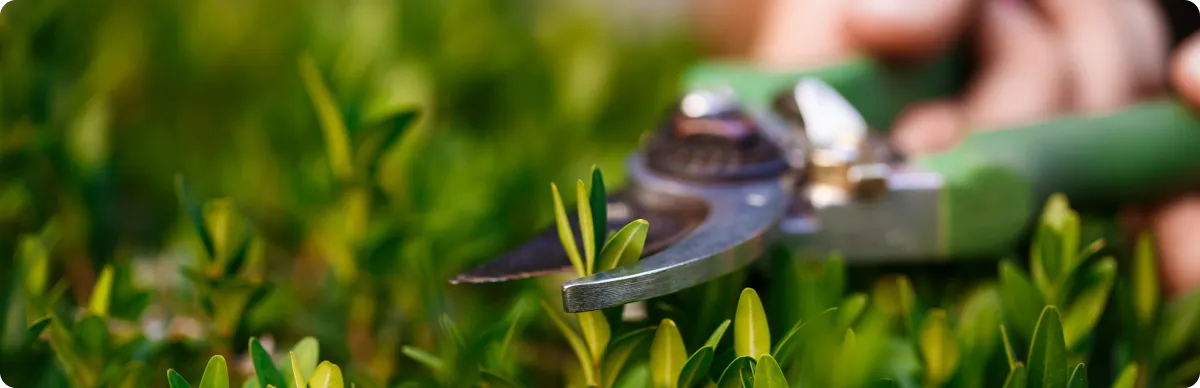
Professional Hedge Shaping
Improved Property Value
Expert Local Knowledge
Reliable Scheduling
Eco-Friendly Practices
Columbus Hedging Types

Boxwood Hedges
-
Privet Hedges
-
Yew Hedges
-
Arborvitae Hedges
-
Holly Hedges
-
Laurel Hedges
-
Burning Bush Hedges
Our Hedging Process
Consultation and Planning
Site Preparation
Precise Trimming
Cleanup and Inspection
Why Choose Columbus Landscape Services

-
Columbus Homeowners Trust Us
-
Expert Lawn Maintenance
-
Reliable Scheduling
-
Competitive Pricing
-
Professional Team
-
Satisfaction Guarantee
-
Personalized Service
Selecting Heat-Tolerant Hedge Species for Columbus's Fall Line Soils and Climate
Columbus sits along Georgia's Fall Line, where Piedmont red clay transitions into Coastal Plain sandy loams. This unique position—within USDA Hardiness Zone 8b—creates specific conditions for hedge establishment. Soils in the Muscogee County area commonly include the Toccoa, Chewacla, and Wickham series, which range from well-drained sandy loams near the Chattahoochee River to moderately drained clay loams on upland lots. Property owners should select hedge species adapted to these conditions and Columbus's long, humid growing season (typically 240+ frost-free days). Recommended species for formal and informal hedges include:
- Ligustrum sinense (Chinese privet) — note that this species is classified as invasive by UGA Extension - Invasive Species; native alternatives such as wax myrtle or yaupon holly are preferred
- Ilex vomitoria (yaupon holly) — tolerates both clay and sandy soils, drought-resistant once established
- Loropetalum chinense — performs well in acidic soils (pH 5.0–6.5 typical of the area) with partial shade
- Thuja 'Green Giant' — suited for privacy screening on well-drained upland sites
Consult the USDA Web Soil Survey to identify your lot's specific soil series before selecting hedge material. The USDA Plant Hardiness Zone Map confirms Columbus's 8b classification, supporting a wide range of broadleaf evergreen and semi-evergreen hedge options.
Property-Line Visibility and Hedge Setback Considerations in Columbus
Hedges planted near property boundaries, sidewalks, and street intersections in Columbus must comply with local zoning and right-of-way standards. The Columbus Planning Department administers zoning regulations that may affect hedge placement, particularly regarding sight-triangle requirements at intersections and maximum allowable heights within front-yard setback areas. Property owners and managers should verify the following before installing or significantly expanding hedges:
- Sight-triangle clearance: hedges near driveways and street corners must not obstruct driver visibility, typically requiring vegetation to remain below 30 inches within designated sight triangles
- Front-yard setback zones: confirm whether zoning district standards restrict hedge height or placement within required front-yard setbacks
- Utility easements: hedges planted over underground utilities or within easement corridors may be subject to removal by utility providers without notice
- Property-line disputes: a boundary survey is advisable before installing hedges along shared lot lines, particularly in older neighborhoods where fences and plantings may not align with recorded plat boundaries
Contact the Columbus Planning Department or Development Services – Zoning to verify current setback and sight-line requirements for your zoning district.
Columbus Development Services – Zoning
420 10th Street, Columbus, GA 31901
Phone: (706) 653-4116
Official Website: Columbus Development Services - Zoning
Coordinating Hedge Trimming Debris Disposal Through Columbus Public Works
Hedge trimming generates substantial volumes of woody brush and green waste that must be disposed of in accordance with Columbus's municipal collection standards. The Columbus Public Works Department manages curbside yard debris collection for residential properties. Property owners and landscape contractors should observe the following guidelines when placing hedge trimmings for pickup:
- Bundling requirements: branches and woody stems should be cut to lengths not exceeding four feet and bundled or stacked neatly at the curb, separate from household refuse
- Volume limits: large-scale hedge removal projects that generate debris beyond normal residential collection volumes may require coordination with Public Works or use of the city's designated yard waste drop-off facilities
- Placement: debris must not block sidewalks, storm drains, drainage ditches, or fire hydrants; material placed in the street or over stormwater inlets may result in code enforcement action
- Contractor responsibility: professional hedging contractors are generally responsible for hauling and disposing of their own debris and should not rely on residential curbside collection
Verify current collection schedules and any seasonal changes directly with the Columbus Public Works Department.
Columbus Public Works Department
3111 Citizens Way, Columbus, GA 31906
Phone: (706) 653-4579
Official Website: Columbus Public Works Department
How Columbus's Urban Forestry Division Relates to Hedge and Right-of-Way Maintenance
The Columbus Urban Forestry and Right-of-Way Division, a branch of the Public Works Department, manages vegetation within public rights-of-way, including street trees, median plantings, and vegetation that encroaches on sidewalks or roadways. While hedges on private property are generally the owner's responsibility, hedges that extend into the public right-of-way or interfere with pedestrian or vehicular access may trigger municipal action. Key considerations include:
- Right-of-way encroachment: hedges growing beyond the property line into sidewalks, alleys, or street shoulders may be trimmed or removed by the city if they create safety hazards
- Overhead clearance: vegetation overhanging sidewalks should maintain a minimum vertical clearance (typically seven feet) to ensure pedestrian passage; hedges near roadways may require higher clearance for vehicles
- Coordination with utility providers: hedges growing near overhead power lines or utility poles may require coordination with Georgia Power or the relevant utility, not just the city
Property owners who are uncertain whether their hedge encroaches on the right-of-way should contact the Urban Forestry and Right-of-Way Division for guidance before trimming or removing vegetation near public infrastructure.
Columbus Urban Forestry & Right-of-Way
3111 Citizens Way, Columbus, GA 31906
Phone: (706) 653-4579
Official Website: Columbus Urban Forestry & Right-of-Way
Optimal Hedge Pruning Timing for Columbus's Extended Growing Season
Columbus's warm, humid climate—with average last frost dates in mid-March and first frost dates in mid-November—creates a growing season that exceeds eight months. This extended period directly affects hedge pruning schedules and plant health outcomes. The UGA Cooperative Extension provides region-specific guidance on pruning timing for common hedge species in middle Georgia:
- Broadleaf evergreens (holly, ligustrum, loropetalum): prune after the spring growth flush, typically late May through June; a second light shaping may be performed in late August before fall dormancy begins
- Deciduous hedges (crape myrtle hedges, privet): major structural pruning should occur in late winter (February) before bud break; avoid heavy pruning after August to prevent tender new growth vulnerable to early frost
- Formal hedges: maintain a slightly wider base than top to ensure lower branches receive adequate sunlight; Columbus's intense summer sun and humidity can cause interior dieback if hedges are sheared into top-heavy profiles
- Avoid pruning during extreme heat: temperatures above 95°F, common in Columbus from June through August, increase stress on freshly pruned plants; schedule trimming for early morning hours when possible
Monitoring local conditions through the National Weather Service Peachtree City office, which covers the Columbus area, can help property owners time pruning around heat advisories and storm events.
What Neighborhoods Do We Serve Throughout Columbus, GA?
- Wynnton: One of Columbus's oldest residential neighborhoods, featuring mature lots with established hedges of ligustrum, boxwood, and camellia. Clay-heavy soils and large shade trees require careful species selection and pruning to maintain hedge density beneath canopy cover.
- Green Island Hills: Mid-century homes on rolling terrain with well-drained sandy loam soils. Hedges along sloped property lines may require root-zone stabilization and attention to drainage patterns during establishment.
- Midland / West Columbus: Newer subdivisions with compacted fill soils and HOA-maintained frontage standards. Hedge height and species uniformity requirements are common; verify community covenants before planting.
- Bibb City: Compact lots near the Chattahoochee River corridor with potential floodplain adjacency. Hedge installations near stream buffers should account for periodic inundation and comply with Georgia EPD Watershed Protection Branch buffer guidance.
- Lakebottom / Weracoba: Historic district properties with narrow setbacks and mature landscaping. Hedges often serve as boundary screening and must be maintained to avoid sidewalk and right-of-way encroachment.
- North Columbus / River Road area: Larger wooded lots along the Chattahoochee with sandy soils and significant canopy. Shade-tolerant hedge species such as yaupon holly or cleyera are typically more successful than sun-demanding varieties in these settings.